
Dearmouring Arts · Practitioner TrainingThe Method
Why we call it Arts.
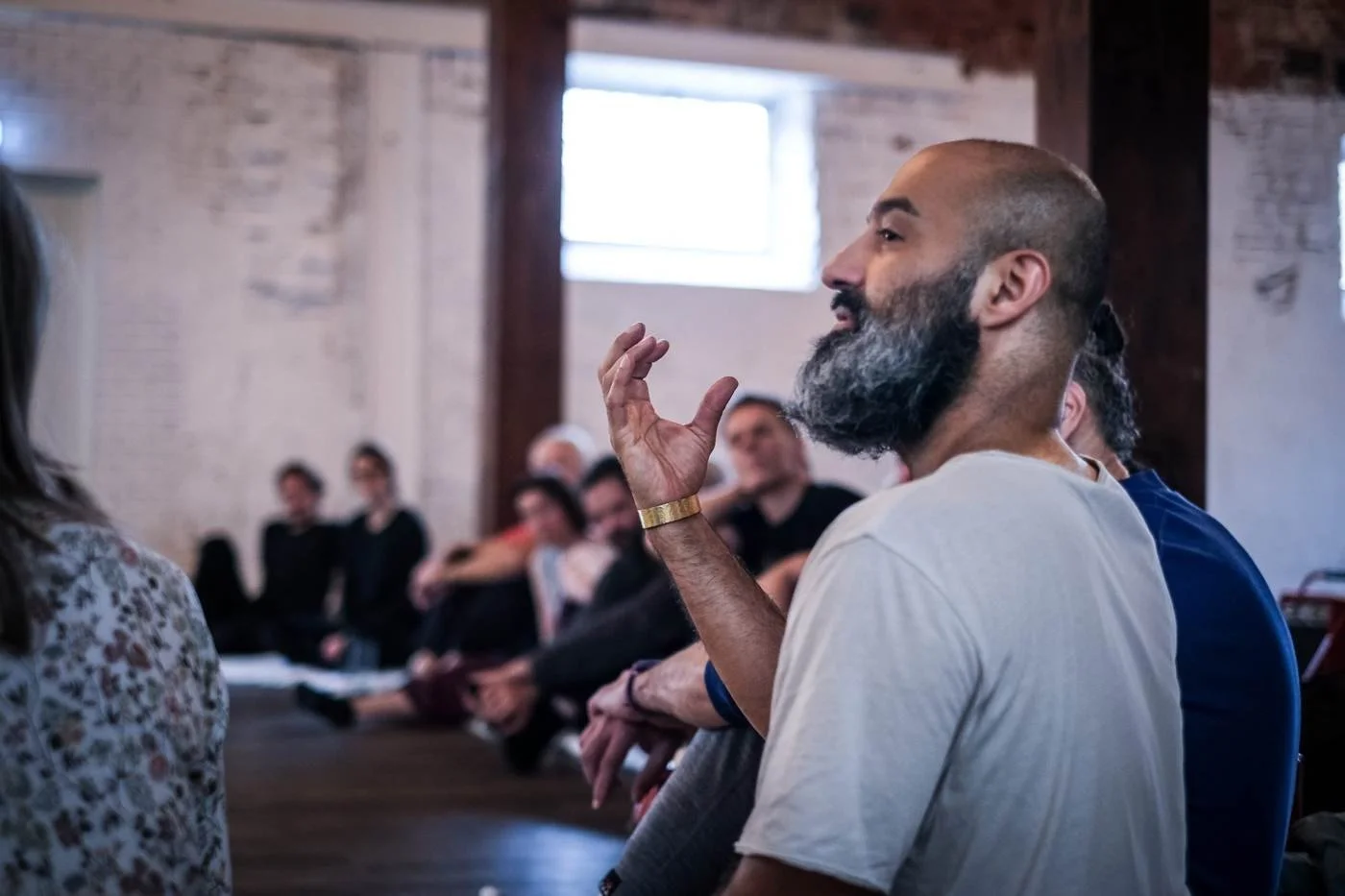
Why Dearmouring Arts
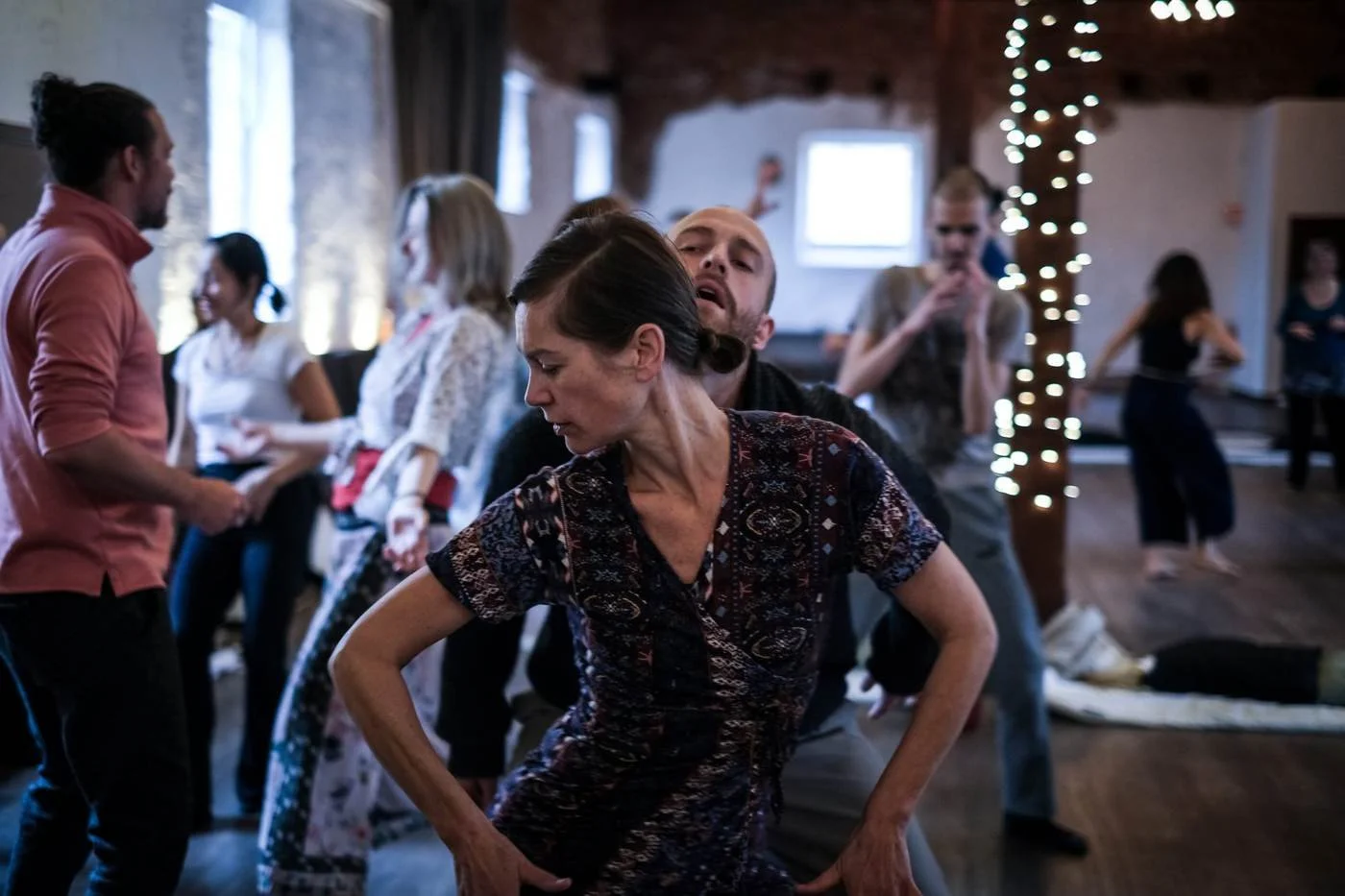
Dearmouring Arts is our own body of work, developed through almost 30 years of studying human behaviour, facilitating transformation, and lived experience.
We call it Arts because every human being is different. Every body. Every nervous system. Every life. Every story.
Each person is a living canvas. There are patterns many of us share, but there is no single formula that fits everyone. The art of Dearmouring is learning how to perceive the unique human being in front of you and discovering what supports this person - not what worked for someone else.
The word Arts also says that we do not rely on one modality. We integrate what the moment asks for: somatic work, conscious touch, breathwork, coaching, dialogue, Gestalt-inspired inquiry, nervous system work, behavioural awareness, emotional integration, energetic awareness, and sexual healing and integration.
The method is never more important than the human being. The person always comes first.
Opening
The method
Dearmouring, in five movements.
Real freedom isn't taught in a weekend workshop. It's trained, layer by layer. Most schools teach dearmouring as a technique. We teach it as an art - the art of somatic, emotional, energetic and sexual integration.
“I don't teach people to bypass what's unresolved in them. I teach them to meet it, move it, and come out the other side more sovereign than before.”Susanna Beatrice, Founder of Dearmouring Arts
What follows is the arc every practitioner we train learns to hold. Five movements, in this order, every time - and inside them, as much range as the person in front of you needs.
Is this bodywork?
No. Touch is part of it, and sometimes the quickest part.
These five movements are not a massage sequence. They are the order in which any layer of armour can be met safely - whether what moves is held tissue, an emotion, a belief, a survival strategy, or the way someone has learned to stand in a relationship. The sequence stays the same. What is being met changes with the person.
What the five movements meet
What we are working with
Armour is not something we choose.
It is something we develop, layer by layer, to survive, cope, adapt and belong. The body and nervous system adapted in the most intelligent way they could, in the circumstances they were given.
Childhood lays the foundation, and armour keeps forming throughout a life: accidents, chronic stress, heartbreak, grief, assault, punishment, betrayal, illness, burnout, the transitions that ask more of us than we can carry at the time. It forms whenever life overwhelms our capacity to integrate an experience.
The body is one expression of armour, not the whole story. It also lives in the nervous system, in emotional patterns, in beliefs and perception, in conditioning and behaviour, in relational dynamics, in sexuality, and in the shape a life has quietly taken around it.
Which is why protection that made sense once remains long after the original situation has passed, eventually becoming part of how we experience ourselves and the world.
Armour isn't the enemy. It once helped you survive. It helped you cope. It helped you adapt. It helped you belong. Now, step by step, it can soften as new experiences become possible.
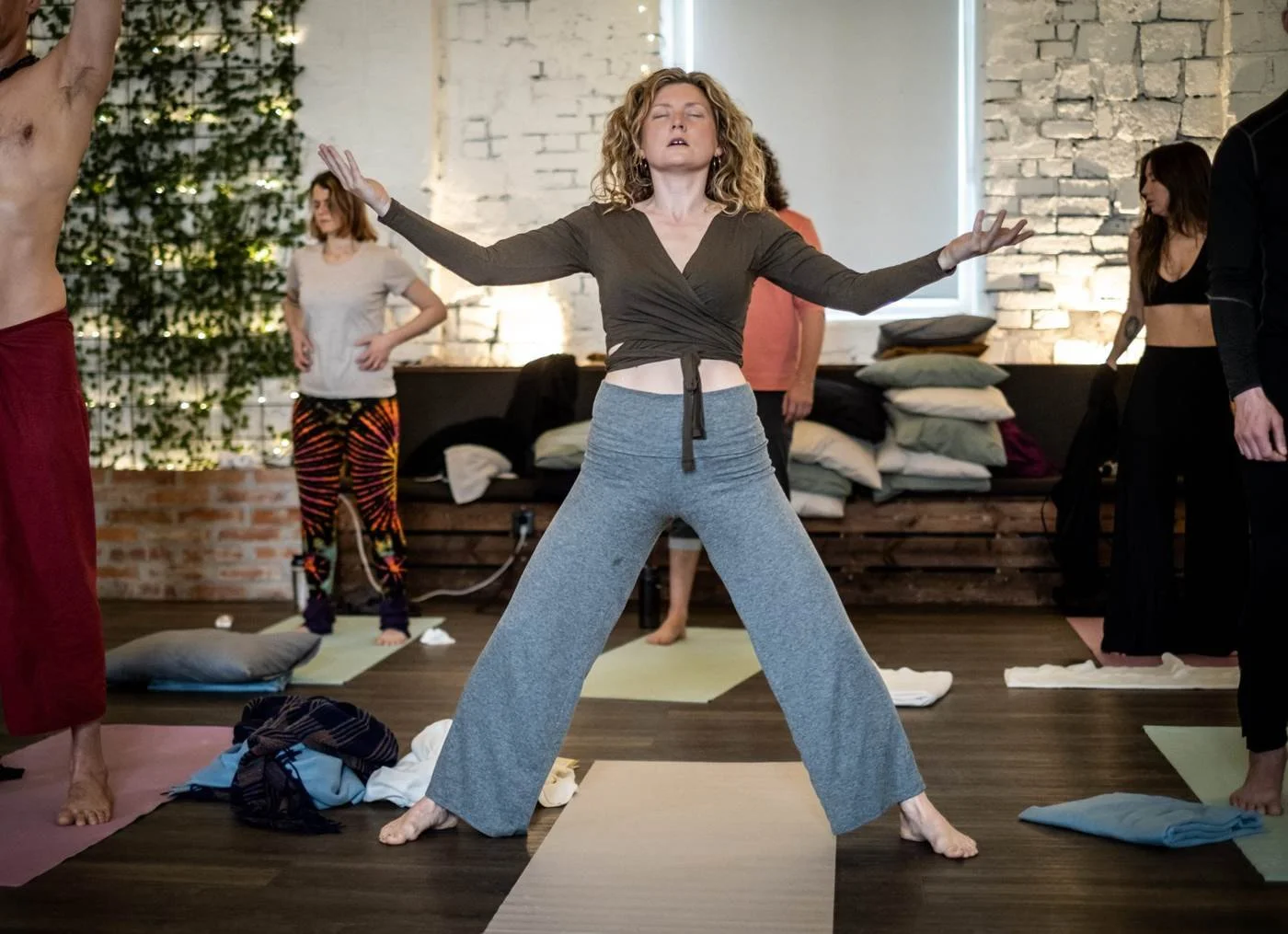
Protection becomes authenticity.
The method
The five movements
Before anything moves.
Safety
Nothing begins until the person agrees - not only their words, but their system. The field is built first: explicit consent, an unhurried pace, and a nervous system that knows, in its cells, that it can stop at any moment. Boundaries, consent and the ethics of holding space are not a footnote in how we work; they are the foundation everything else is built on. This work touches the most vulnerable parts of a person. Done without integrity it can cause real harm. Done right, it can be the most liberating experience of someone's life. The body and the whole being don't let go because they're told to. They let go when enough safety is experienced.
The instrument is you.
Presence
Before technique, before touch, the practitioner arrives fully, regulated, unhurried. A practitioner who is not settled will struggle to hold a settled space, and the person on the table feels it before anyone says so. This is why we train presence as rigorously as we train technique: because the state you're in is the state you transmit.
Meet the person as they are.
Reading
Not a protocol applied to a body, but a whole system read in real time: the breath, the held tension, the language of the nervous system, the emotion that arrives before the words, the pattern in how someone meets you. We follow the person's timeline, not our own agenda. The armour tells us where to go, and how fast. Perception before technique, always.
An invitation, not a force.
Touch
Conscious, consented contact that invites the armour to release rather than prying it open. Tension is intelligence, a body protecting itself the only way it once could. Met with respect, it softens on its own terms. Forced, it only braces harder. The art is in the invitation. And touch is one language here, not the defining one. Breath, dialogue, movement, stillness, emotional processing, work with conditioning and relational patterns - a practitioner learns to reach for whichever of them this person, in this moment, can actually receive.
So the change holds.
Integration
What surfaces, whether grief, memory, sensation or release, is allowed to land and settle. Without integration, a powerful session is just an event. With it, the opening has a chance to become a new baseline a person can keep living from - in their relationships, in their work, in how they speak and what they no longer agree to - long after the room is empty.
Two people, the same moment
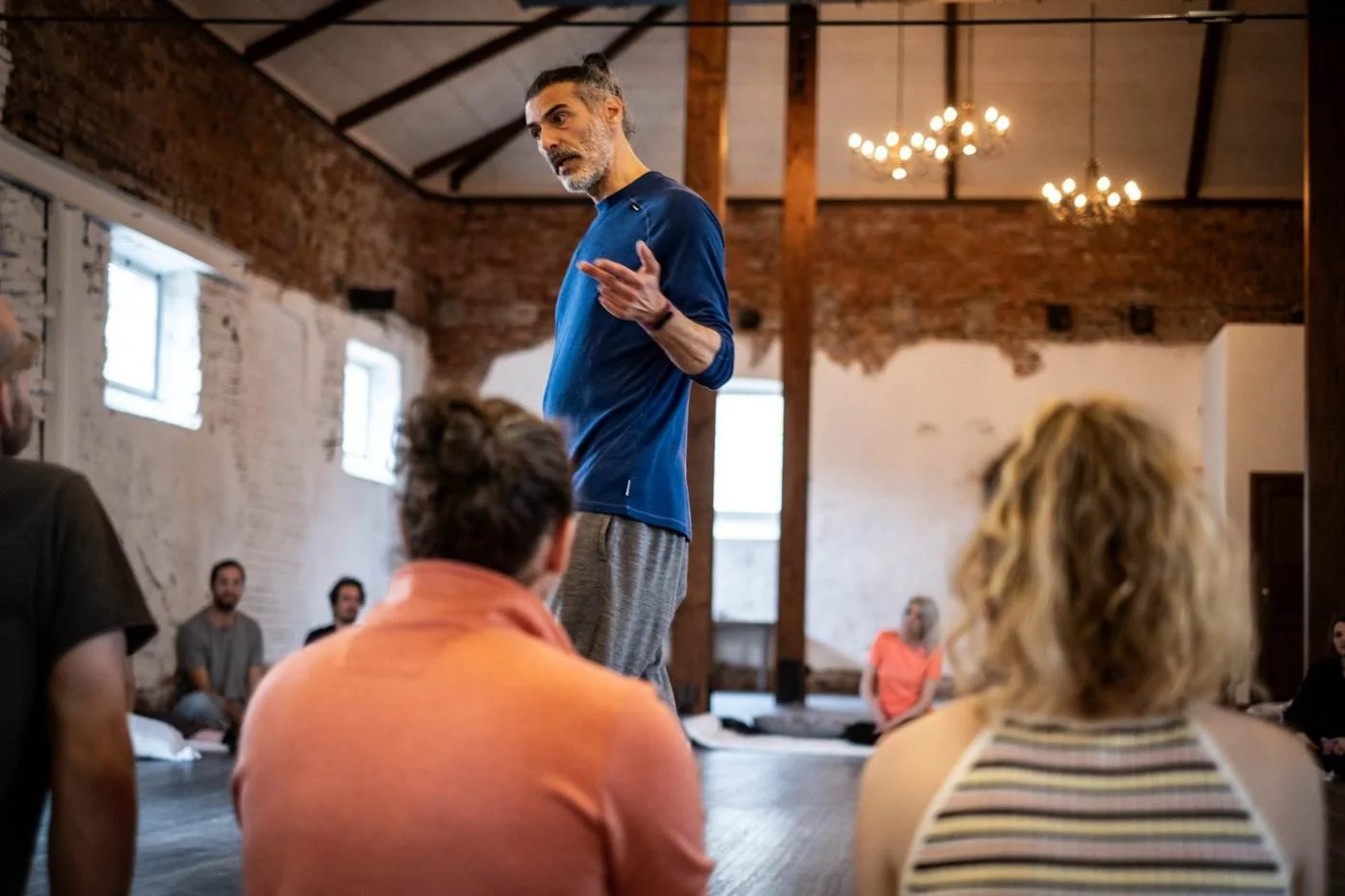
Where the art actually shows.
Two people arrive at the same threshold. One goes quiet and very still: their system learned early that disappearing is the safest thing available. The other begins to talk, quickly and well, and the room fills with explanation.
A protocol would carry on with both. The art is to see that the first one needs less input rather than more - slower pace, fewer words, time, and the certainty that nothing will be done to them while they are away. And that the second needs something that meets the thinking rather than bypassing it, a question that lands underneath it, before any contact means anything at all.
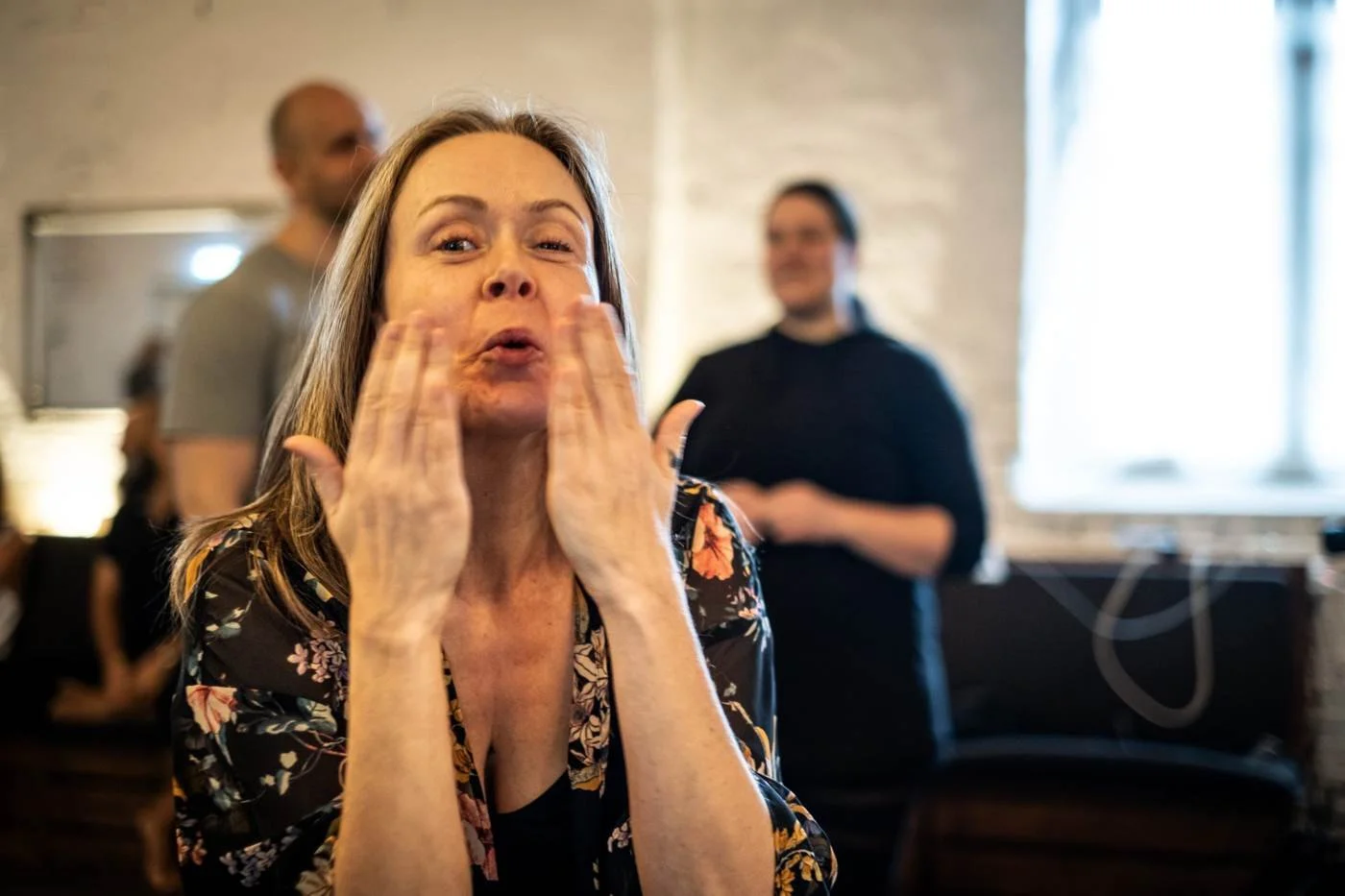
Same method. Same five movements. Two entirely different sessions.
What actually changes
As armour softens, structure can reorganise. And when structure reorganises, the way a person experiences themselves begins to change.
Which is why what becomes possible is so much larger than less pain:
- Boundaries felt from the inside, so a yes is real and a no is clear
- Authenticity, and the relief of no longer holding up a version of yourself
- Relationships that can carry honesty, and communication that costs less to attempt
- Emotional resilience: feeling more, without being flooded by it
- Self-awareness, and a good deal more self-love than most people arrive with
- A greater capacity for intimacy, and a sexual life that is genuinely your own
- Confidence, vitality, and access to purpose and creativity that the armour had been using up
- Coherence between body, mind and behaviour - one person, not three
This is not just healing. It is identity-level change.
Sexual integration
The missing piece
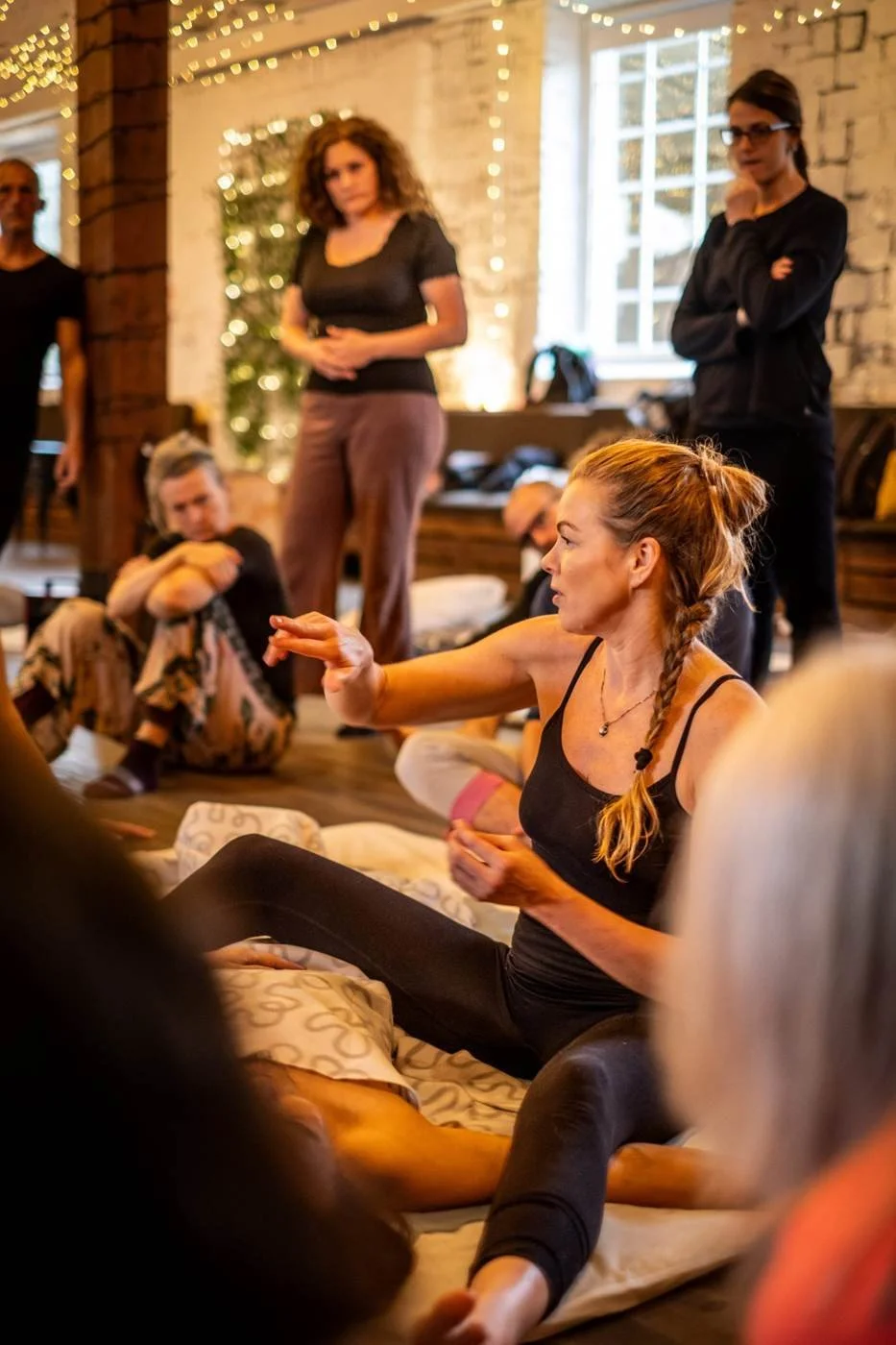
“If we don't work with our sexuality directly, we will never come home to ourselves as whole human beings.”Susanna Beatrice
Sexuality is not a specialism at the edge of this work. It runs through all five movements.
There is a reason unresolved conditioning so often shows up sexually. Sexuality is one of the places where our earliest lessons about shame, safety, worth and belonging settled into the body, usually without words and often before we could consent to them, and it is commonly the least examined of them. What was learned there does not stay there. It shapes how much life force a person has access to, how close they can let someone come, how freely they create, and how honestly they can say what is true.
So this is not about improving anyone's sex life, though that tends to follow. It is about returning someone to the part of themselves that armour most reliably cuts off: their aliveness.
In how we understand this work, sexual energy was never a separate subject. Worked with directly, with consent and enough safety, it comes back within reach as life force, creativity, intimacy and authenticity - available for the whole of a life rather than one room of it.
More than a method
Dearmouring isn't simply something you do.
It is a way of relating to yourself, to others, and to life. Practised long enough, it gradually becomes a way of living.
As you become less defended, you become more present. More authentic. More able to communicate honestly. More capable of intimacy. More able to meet conflict without collapsing or attacking.
It becomes less about technique and more about how you move through the world.
Dearmouring is ultimately a way of life. It is what makes this work different.
The close
Why this matters
This work goes where gentler methods stop.
Held with enough safety that a person dares to let go, these five movements are how someone comes home to themselves. It is the arc every practitioner we train learns to hold, built from lived experience and deep embodiment.
Technique teaches you what to do. Presence determines what becomes possible.
Amongst the dozens of trainings and certifications I’ve experienced around the world over the last 30 years, this was one of the most powerful. The facilitation exemplified what they are teaching, moment by moment.
Rahi · Facilitator
“I came with expectations of what I would learn, and left understanding how deep healing really works — in myself and with others. This training changed my life and my practice.”
“Susanna is for me a true role model for future leaders. She embodies her teachings… She dares to be controversial in a very rare way.”
Meet
Susanna
Beatrice.
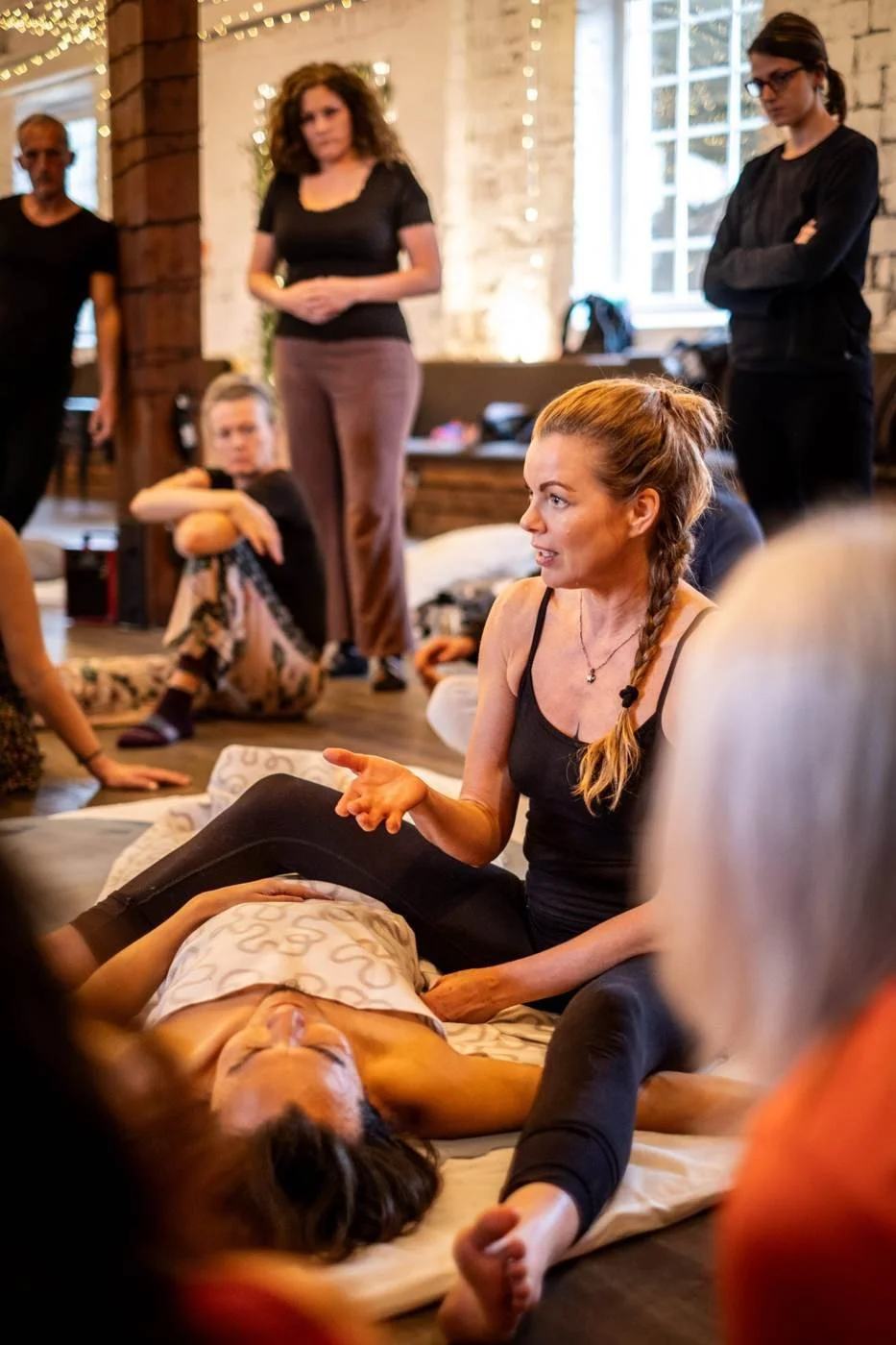
Founded by Susanna Beatrice with 27 years of experience working at the intersection of body, sexuality, and the deepest layers of human armouring, the school integrates Dearmouring & Legacy Sexual Healing into one disciplined path - to train future leaders capable of shaping a healthier culture.
Your next step
This isn't just what you learn. It's who you become.
26 March – 4 April 2027 · Stockholm, Sweden